Email To Friend
| |

Solo Traverse of Woodland Caribou – Week Five


In this issue of his story, Mike wraps up his trip to Canada’s Woodland Caribou Provincial Park. The weather is changing, it’s getting cold and high winds bring paddling challenges. And 35 days without contact with another person has given lots of time for thought and introspection. It’s been a most interesting journey to follow along with. If you missed the earlier installments, you can find them in the Trip Tales Archive.

……………………………………………………..

WEEK Five (50 Lakes including Larus, Thicketwood, Bigshell, Olive, Linge, Young, Murdock, Larus, North Simeon, South Simeon, Dunstan, Wanda, Terry, Carroll, Broken Arrow, Crystal, Siderock and Wallace)

September 27th (Sunday) – Camp # 29
Restless night. Steady rain, but a quiet rain. Morning…something in the air. I could feel it but Larus Lake was calm. Leaving early worked once, so I was on the water by 6:45 a.m. with lots of wet “stuff”. The paddle west was steady. I am surprised how comfortable that I am getting on big water. The sun surfaced. Off to the west was an enormous cloud bank. There was distant thunder. It got very cold. The lake turned to glass. Something was going to happen. If only I could get past the last portage on the Bloodvein (which flows out of Larus to the west).

Surely, there would be a place to set up a tarp? But for now…more glass paddling. The mind begins to imagine all types of disaster scenarios. What to do? Paddle faster! I completed the portage as the rain began to fall. The canoe raced to the shoreline and the tarp was set up quickly. Crash, thunder, boom! For about three hours, I thought that I might be blown away. As the storm subsided, out came my camp stove. Hot coffee. There was such a relief…not from the storm…there was relief that the big lakes: Larus, Thicketwood, Big Shell, Olive, Linge and Murdock were navigated safely. It’s difficult to describe the relief, but that cup of coffee and hot oatmeal tasted as good as anything on the trip.

By early afternoon the storm had stopped and the canoe headed toward Simeon Lake. It was only a few more miles on the Bloodvein and then south. There were still huge clouds but there was also sun. The west wind was causing white caps on the water, but the southerly direction provided some protection. I found a simple little spot out of the weather. I caught two walleye. I watch an eagle eye those carcasses that I placed on rock not far from my camp. It soars overhead and returns to the safety of its tree. I suspect that the eagle will have more patience than I, especially when I retire shortly.
 
Trip map
Here’s a section of the Woodland Caribou Provincial Park map. Camp numbers marked on the map correspond to the numbers next to each day’s heading in the story. Click on the map to go to another page with a copy of the map that you can zoom on for more detail. After the map loads, your cursor will be your guide point to trace the route in the larger image. The trip starts and ends at the left-center edge.


September 28th (Monday) – Camp # 30
The paddler, boat and camp survived an air assault last evening. There was high velocity wind, rain, hail and light snow. The howling wind continues throughout the morning. Whitecaps break in the water just feet away from my fire pit. But this site is protected. It’s tucked away in a small bay. I sit comfortably with layers of clothing and an eye to the sky. I have been fortunate on this trip not to have experienced a day that has “locked me into camp”. This type of “weather from the north” is what I was deeply concerned about as I paddled through large lakes to get to this point in the trip. I am at peace sitting here. I have a nice fire, hot drinks and time to experiment with a late breakfast. The eagle, my eagle, found its way to the fish remains last night. That’s not a surprise. He is now perched in that same tree as yesterday, seemingly keeping an eye on me. Every twenty to thirty minutes, he lights off and soars around the sky…as if to entertain me. The binoculars haven’t been useful (for the most part) on this trip, except in camp. In the canoe, the binoculars tend to give me a sense of vertigo…a sense that I’m about to fall in the lake. I am also not able to look over either shoulder as I paddle for the same reason. Perhaps a metaphor for my life…”Look ahead and not backward!”

Bald Eagle keeping an eye on Mike.
© Mike Kinziger

It’s late afternoon. The canoe is basking in the intermittent sunshine. It has not left its forest resting place. The wind has not abated. This small piece of property, however, has been kept protected by its south facing location. The temperature on the top of the hill, where the tent is pitched, is easily 20 degrees cooler than down near the shoreline. I’ve had to venture out of this protection on “water runs” to a rock in the direct line of wind. I come back reminding myself of how good a decision staying for the day has been. In many ways, not having a book or a book reading device has forced me to stay more in my own mind…forced me to face my present and my future.

I have spent countless hours recalling persons, places and events in my life. There is no escaping the mind. I came on this trip to attempt to get in touch with myself through the interaction with the wilderness. I may just be starting to understand what it is, how it affects me, who I am, what is important in my life. Life’s questions. Always the search for answers. Mostly though…more and more questions. Contemplation!
             
I’m not surprised by the following observations, although others might be: 1) I haven’t experienced fear…fear of the challenge or fear of the unknown; and 2) I haven’t been lonely although I have been alone. Responsibility for nearly every element of my life in the Woodland Caribou rests with me. I’m OK with that. It’s a welcome sensation.

September 29th (Tuesday) – Camp # 31 

There was a solid piece of ice preventing me from opening my water bottle this morning. Cold, cold, cold. It was an uncomfortable night…wind blowing constantly and the frigid temperature. There is a limit as to how much time I can spend in a sleeping bag or tent. These shorter days with cold evenings and mornings are making the trip seem long. I sat close…real close to my wood fire as dawn arrived. There still were those ominous looking storm clouds, but the wind had subsided enough to allow me to pack and move on. This is one campsite that I am happy to finally leave.
 

A cold campsite on beautiful Simeon Lake. © Mike Kinziger
Simeon is a gorgeous lake with a good smattering of islands, bays and peninsulas. It requires some fine tuned navigation skills to get to the southern end of the lake. I did get slightly sidetracked (lost)…partly due to the snow flurries and the cold that wouldn’t leave my body. Portages were difficult to locate today but I did eventually arrive at South Simeon Lake. Not much of a lake for camping or scenery but it was nice to catch a walleye and pike for dinner that evening. Further south, the canoe entered Simeon Creek. The first mile was beautiful…high rock walls and a narrow moving stream. The last two miles of the creek were shallow and boulder strewn. The canoe took as bad a beating from partially submerged rocks as at any time since the trip started. And there was nothing that I could do, despite what I consider an above average ability to read the water. I wonder quite often how a tandem canoe would fair in this terrain. Even the portages seem built for a solo canoe. On a positive note, the shallow water stretch warmed me up. It took most of the day.

Dunstan Lake could well be one of my favorite lakes. Lots of unique rock formations, potential campsites, small islands…I like it…I like the feel of this lake. I found a campsite with my required pre-requisites, southern exposure, possible morning sun and abundant firewood. I am writing in this journal in the dark with my headlamp and heat from the fire. At the pace that I am currently moving, barring any future storms, I may finish my planned route nearly a week ahead of my original estimated time. I think I’m ready to go home. I’m not in a hurry. I will continue to paddle and fish and explore. But…It’s getting time to go home.

Each evening about this time, I activate my SPOT GPS. The SPOT relies on satellite triangulation to send one of three messages to designated people with computer access. The three possible messages: 1) I’m OK; 2) Help; and 3) 911. There is a fee for this service. The designated people receive the message and a GPS location that they can access on Google Earth or on the Canadian maps (if they have them loaded). It must be interesting for those that care about me to receive an update each day and to check and note my progress. Sometimes I wish the opposite were happening, i.e., it would be nice to know that those I care about are also OK.

September 30th (Wednesday) – Camp # 32

I’ll be taking the 750 out of Dunstan this morning. That’s the 750-meter portage. That can be good and bad. Good…It’ll warm me up. Bad…wet, cold feet for the rest of the day. It was slightly warmer last night and I slept well, but it’s still rather cool. The wind shifted to the south last night, which is usually welcomed, except when my campsite faces south. Lots of smoke and ash to deal with, as the campfire warms me before daylight. Before I pack, I will prepare potato pancakes and gravy. I’m trying to eat more for the past few days to provide my body with more calories so that I stay warmer.
           
It doesn’t take much time to get packed and ready to leave. Soon, I will be on the lake and then the next lake and the adventure continues. I’ve come to the conclusion that I don’t understand wind or maybe it’s the wind conditions in September of 2009. How can it be so cold and windy with the wind blowing from the south east? How come the wind has been predominantly from the east when that is the direction that one expects little or no wind? So…with a southerly wind, I head south. Crossing lower Dunstan Lake was work but there is a special beauty in this lake. It is one that I would enjoy returning to. The portage at the end of Dunstan may be the most interesting stretch of trail encountered. It is flat and clear enough that it would be considered a beginner mountain bike single-track…except for the 50 feet at the beginning and at the end. It is not uncommon to have to walk ankle to knee deep in mud or a watery bog to reach a lake.

Beautiful filets, ready for cooking. © Mike Kinziger

This day was another dream day if you like to paddle. Simeon Creek flows slowly and is just wide enough for a canoe to maneuver through freely. There are grass lined banks and boulders in the stream to avoid. And then, almost in the middle of nowhere, there are a series of rocks that require a portage. The creek also meanders…sometimes in the 90-180 degree range. I was startled a number of times today when after turning a bend in the river, the canoe would “spook” ducks, geese, beaver and a moose. My biggest surprise was coming up along side of a floating white object which turned out to be a swan when it raised its head out of the water. The canoe actually touched the swan before it panicked and flew to safety.

I paddled south through Wanda Lake, where that south wind made it a “long haul”. So here I am…on a no-name lake with a nice fire to keep me warm. It’s dark but calm. The wind has ceased, at least temporarily. I will sleep well again. Tomorrow I will enter another portion of the park where I have to rely on the Provincial Park map. I may be only two or three nights away from Wallace Lake. I have mixed feelings about finishing early. It doesn’t seem nearly possible that I have been out here alone for nearly five weeks. As the days and hours tick away until the end of this grand adventure, I am filled with melancholy.
           
And on another note…A caribou at the end of this lake has been entertaining me with his bugling. What a wonderful place!

October 1st (Thursday) – Camp # 33
Seldom in one’s life does one work so hard under such adverse conditions to accomplish so little. There was a point today when I pulled the canoe up on shore, laid myself down on a flat rock and did not want to move for the rest of the day. But I’ll get to that.

The last stretch of Simeon Creek (before it enters the Gammon River), about 3-4 miles, confronted the paddler with three portages and two “walk down the middle of the stream pulling your canoe over the rocks” challenges. In addition, there may have been ten beaver dams to walk over. It was still early when I arrived at Carroll Lake but already the southeast wind was problematic. After thirty days, my confidence in crossing white capped water with my paddling skill and the performance of my canoe has immensely increased and I headed out without hesitation. Locating the mouth of the Haggart River was my next test. Remember…big water and no topo map.
 

Camp on the bank of the Haggart River © Mike Kinziger
The Haggart River is unique to this area because it flows north. On this day, paddling the Haggart was not as positive an experience as I would have expected. There are ten portages which are all situated near major waterfalls or rapids. There are a number of reasons for my less than positive experience: 1) the current was especially strong and I was paddling against it; 2) the wind…the wind was “capping and troughing” all day…so much so that at times it seemed as if the canoe was not moving at all despite my kneeling position and increased number of paddle strokes;  3) the portages are located in “dangerous” or difficult to reach places, especially when approached from the north; and 4) the Haggart is a difficult river to find your way around (without a map).

Early in the afternoon, I had to take a break and get off the river…the current and winds were too much! My goal for the day had been to reach a campsite far enough to the west that Siderock Lake would be possible to reach on the next evening…which would become my last evening. I have to admit that I have the “I’m ready to go home” bug. Therefore, stopping was not an option. The GPS came in handy…was crucial today…three times. I don’t know how an “average” paddler can navigate these interconnected lakes, streams, creeks and bluffs without a compass, GPS (with Canadian maps) and the topographic maps (1:1:50,000 series). Well…I found my way off the Haggart which means that I did get back in my canoe and paddled into the wind about four more miles.
           
Another unique campsite…on the banks of a narrow no-name lake with a view of a high bluff to the north…and no wind in camp. I’m very tired (fourteen portages and the wind today). The sky looks clear…that means cold but it may also let me begin paddling early in the morning. Who knows what adventure is in store for me tomorrow? Will I be going home after one more night or will the wind cause me to layover for a day or two?

October 2nd (Friday) – Camp # 34
The wind began at 5:00 a.m…it was light at first but began to gust. I lay awake listening and thinking about the day about to begin. I was still tired and a bit “gun shy” from the difficulties that I had encountered the previous day. It was still dark as I packed. More wind! A couple of cups of that special morning coffee and walks down to the shoreline to determine when I could safely depart…that is, when I could see where I was going. I was dressed in my warmest clothing. The initial difficulty was the cold, icy mist that was attached to my glasses. With the wind blowing, there were also the watery eyes. I needed to “route find” my way to a 375-meter portage which the map indicated was “steep.”

It was an exciting couple of hours picking my way past islands and bays without getting too far north or south. The “steep” portage turned out to be one of the better trails that I walked and re-walked…by this juncture of the trip, portaging has become instinctive…automatic…heavy pack and small stuff first, return, and food pack and canoe second. Always the same…same hands, same place for paddles…routine. Portaging has become easy…almost restful…a time to stretch the legs…a time to enjoy walking through the various terrains. It was still cold after the steep portage but there was no moisture…just wind from the northeast and huge, threatening clouds. I decided to keep moving with an eye on the clouds.
           
My next short term goal was to reach Broken Arrow Lake, but first there are two more jagged shaped lakes that needed to be carefully maneuvered through. I didn’t want to get off track at this time, especially if there was any hope of reaching Siderock Lake by late afternoon. The Haggart River and the lakes in between that system on the way to Broken Arrow Lake may be some of the most beautiful lakes in the park. I will strongly consider returning and paddling this stretch in reverse order…southwest to northeast.

A strange thing happened when I reached Broken Arrow Lake. But first…Broken Arrow is one of the few lakes on this trip that remotely sounds like it has a Native American name. When my canoe ”hit” that point where five weeks earlier I had passed, I had finally completed the “loop”. At that exact moment and for the first time all day, the sun popped out and then disappeared again for the rest of the day. I could feel a type of closure…a feeling that something special had just happened…a very special moment in my life.

View of Broken Arrow Lake, © Mike Kinziger

From Broken Arrow there was more paddling north into the wind and then west on the long, meandering stream that helps connect to the next lake on my way to Crystal Lake. A check of the time at Crystal Lake…12:15 p.m. The campground at Wallace Lake was now about 8-10 miles away (including the meandering switchbacks on the Wanipigow River. There were also six more portages. The wind would become a tailwind.

One more personal goal on this strange day…there was an end in sight….an end that seemed so distant and impossible only a day before. The body was strong, the mind determined. One more night or day in this wind was not desirable. One more night or day with the threatening weather was not desirable. I was off! It took four hours and forty-five minutes to reach the Wallace Lake take-out. I thought about stopping in Siderock Lake but kept moving. Along the way, I passed Greg (the first person that I had met at the start and the last person that I had contact with until now). More closure. Wallace Lake was white capping and surging, but was not impassible. I was finally in the company of people, automobiles, cabins…civilization. I even had to have my car “jump started” because the battery was dead.


Self portrait at the end of his excellent adventure. © Mike Kinziger
When I arrived back at the landing, there were many people congregated on the beach to view and question my return. There had been a story of an older man who had paddled off into the wilderness many weeks before and who had not returned yet. I was that man. From having no human contact to people “everywhere” asking questions was an overload. I attempted to be cordial while packing and preparing to leave. I remember one couple who asked me if I believed in the Lord. I wasn’t quite sure what I was being asked because my mind went back to an article that I had read that suggested that for long trips like the one I had just completed that the paddler would be wise to carry a large bucket filled with flour and lard for the purpose of making fresh bannock each day. My answer must have seemed strange. I told the couple that when I was growing up in northern Wisconsin that my mother always made fresh bread and pies using lard and that indeed, I did believe in the lard!  Everything was soon loaded and I was on my way by 5:15 p.m.

It’s a 1600 mile drive back to Idaho. I passed through customs by 9:45 p.m. None of the towns from there on had vacancies at their motels. Eventually at near midnight, I parked the car off the highway and crawled one more time into my sleeping bag and then drove eighteen hours straight the next day. On the way, I paralleled the Yellowstone River for 500 miles which brought back memories from 1985 when a partner and I set the long distance paddling record on this river…but that’s another story.

FACTS AND FIGURES

Total Length of the Trip in Days 36 Days
Length of Time without Human Contact 35 Days
Total Miles Covered on the Trip 275 or More Miles
Number of Lakes Visited (named and not named) 151 Lakes
Number of Portages on Trip 136 Portages
Total Miles of Portages 55 or More Miles
Total Number of Different Campsites 29 Sites
Total Weight of Food 38 Pounds
  - Number of Breakfast Meals Brought on Trip 42
  - Number of Dinner Meals Brought on Trip 42
  - Number of Snacks Brought on Trip 0
Equipment and Gear Brought on the Trip -----
  - Canoe and Canoe Accessories 6 Items
  - Cooking Equipment (includes 9 gas canisters) 22 Items
  - Clothing 24 Items
  - Camping Gear 11 Items
  - Fishing Gear (includes numerous lures and jigs) 16 Items
  - Personal Items 9 Items
  - Miscellaneous 11 Items
Total Miles to and from Wilderness Parking 3200 Miles
Weight at start of Trip 176 Pounds
Weight at end of Trip 158 Pounds


EPILOGUE

Upon my return to Wallace Lake and civilization, a reality hit me. There was no place left to go. The end of the trip was surreal. I’ve told people the essence of my trip. Most people seem or pretend to try to be interested, cordial. It didn’t take long for the euphoria or the overwhelming sense of accomplishment to fade. After awhile, it seemed easy to believe that if I want something bad enough…that what I desire is no less than what I deserve. Mistaking passion for insight, I now realize that successfully completing this trip changed almost nothing. But I came to understand that the wilderness lakes and this Canadian environment make a poor vessel for dreams. Dreams are just dreams. But I live to tell the real story. And it is my story! It’s a wonderful story.

The fact that so little went wrong is largely a matter of chance…the feeling of immortality may have something to do with it. Had I not returned or if some serious injury would have occurred, some people may have been quick to say that I had a death wish or that the aging process had progressed beyond my ability. I realize that if I suffer or am guilty of anything, it is exuberance, enthusiasm, confidence and trust in my ability to live in the moment. The most important moment is the one that I am living.  There is only one moment. Only the moment has true value, for it is here. The moment is neither lost in yesterday nor does it long for tomorrow. I do not believe that one should try to find in the present the security of the past. I believe that they would soon discover that they are standing still and don't realize that to stand still is to move backward. I am not a person who stands still nor do I plan to!

Mike Kinziger
Mica Mountain, Idaho

WOODLAND CARIBOU WEEKLY MENU - 2009

WEEK ONE


WEEK FOUR

Yukon Gold Potatoes
Vegetable Beef Soup
Beef Stroganoff
Chicken Noodle Soup
Mushroom Stuffing
Minestrone
Navy Bean Soup
Granola
Granola
Granola
Granola
Oatmeal
Oatmeal
Oatmeal
  Roasted Garlic Potatoes
Mushroom Stuffing
Chicken Fettuccini
Refried Beans
Beef Stew
Minestrone
Loaded Baked Potatoes
Granola
Granola
Granola
Oatmeal
Oatmeal
Oatmeal
Oatmeal

WEEK TWO


WEEK FIVE

Roasted Garlic Potatoes
Beef Stew
Chicken Rice & Pasta
Navy Bean Soup
Spanish Rice
Darn Good Chili
Refried Beans
Granola
Granola
Granola
Oatmeal
Oatmeal
Oatmeal
Oatmeal
  Loaded Baked Potatoes
Vegetable Beef
Refried Beans
Spanish Rice
Chicken Noodle Soup
Louisiana Gumbo
Darn Good Chili
Granola
Granola
Granola
Granola
Oatmeal
Oatmeal
Oatmeal

WEEK THREE


EMERGENCY

Yukon Gold Potatoes
Refried Beans
Chicken Noodle Soup
Beef Stroganoff
Louisiana Gumbo
Beef Stew
Chicken Flavored Rice
Granola
Granola
Granola
Granola
Oatmeal
Oatmeal
Oatmeal
  Roasted Garlic Potatoes
Yukon Gold Potatoes
Butter & Herb Potatoes
Granola
Oatmeal
Oatmeal
In Addition:
  • Beef or Chicken Bouillon (1-2 cups per day)
  • Coffee: One Container per day (3-5 cups of coffee)
  • Jell-O: Three cups per week
  • Cooking Oil: 3 Tablespoons per day
  • Stove Fuel: Two canisters per week (plan on using a stove 4-5 days a week especially when it rains)
NOTE: All dinner and breakfast meals were placed in zip lock bags and secured with a hair tie (rubber band). All of the dinners for each were then placed in a vacuum sealed “seal-a-meal” bag with a label taped to the front with the weekly menu information.

Breakfasts: All oatmeal and granola meals contained brown sugar, powdered milk and a handful of M & M’s.

Dinners: All dinners also contained salt and pepper. In addition, most of the dinners also included about 3/4 to a cup of broken up angel hair spaghetti.  The label and cooking directions were also included in each dinner bag.

All the pre-prepared meals for the trip, bagged and tagged. © Mike Kinziger

WOODLAND CARIBOU EQUIPMENT AND GEAR LIST - 2009

CANOE AND ACCESSORIES


COOKING GEAR


CAMPING GEAR

We-no-nah “Wilderness” canoe
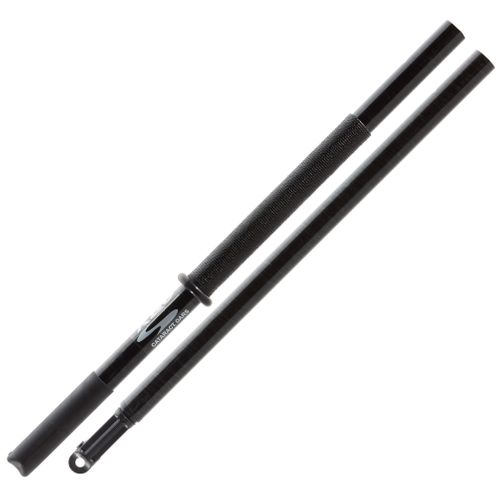
Black Jack carbon paddle
Black Lite Straight Paddle
Yoke
2 - Painter ropes
Map Holder attached to thwart
Provincial Park Map
8 - 1:50,000 topographic maps
  Grate (9” by 11”)
Coffee or hot water pot
Cook pan and lid
Lexicon coffee mug with lid
Coffee filter cup
1 spoon, 1 fork, one specula
1 leather glove
1 “shammy” towel for dishes
3 scrub pads
45 Vaseline soaked cotton balls
 2 - Bic lighters
1 box of waterproof matches
  MSR Hubba Hubba tent
Go-lite tarp (10’ by 12’)
3 Tarp poles -duct tape on poles
Sling-light chair
Therma-rest
Leatherman Tool
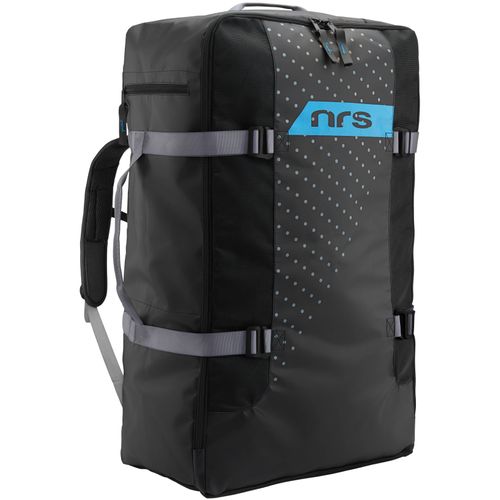
2 - Large NRS Bill’s Bags
1 - NRS Expedition DriDuffel
2 - NRS Tuff Sack - Medium
1 - NRS Tuff Sack - Small
1 - Coleman Peak Stove
9 - Coleman Performance fuel
1 - small saw
1 - empty Gatorade bottle

CLOTHING


FISHING


PERSONAL ITEMS

River shorts
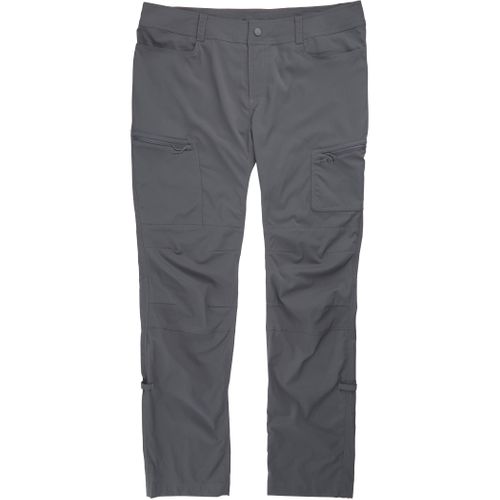
Cargo pants/zip legs
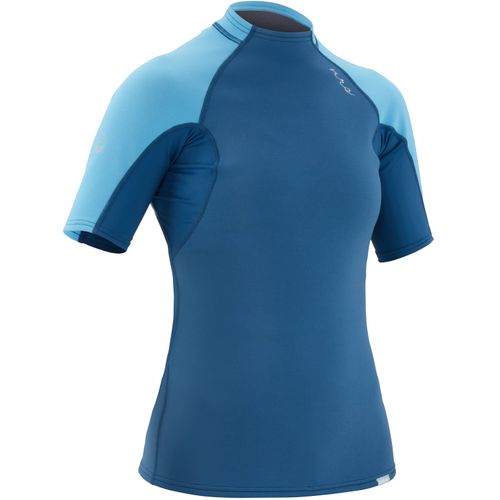
Polypropylene  short-sleeve shirt
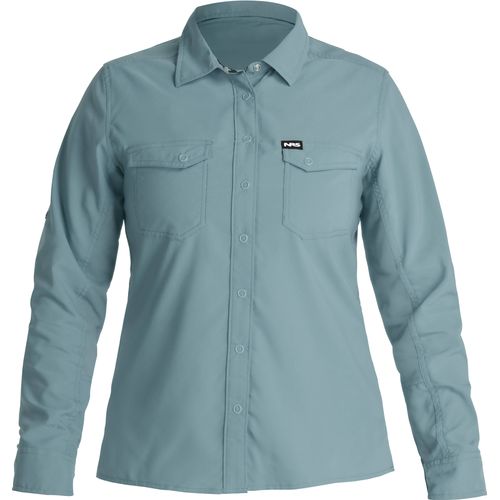
Ibex long sleeve shirt
Polypropylene long sleeve shirt
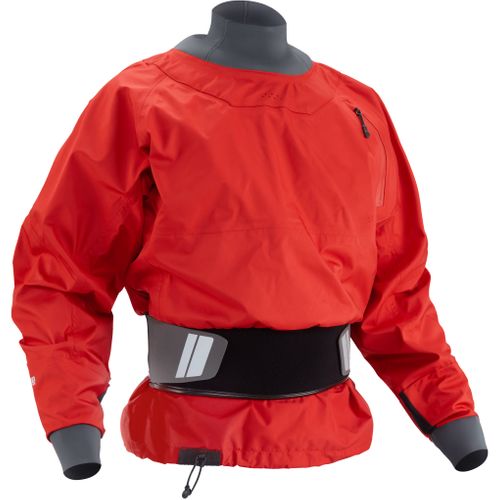
Rain Jacket
Rain Pants
Green Bay Packer baseball hat
4 - Pairs of wool socks
1 - Long underwear
1 - light weight pile pants
1 - Waterproof camp shoes
1 - NRS river shoes
1 - Wide brimmed rain hat
1 - Wool Hat
1 - Pile mittens
2 - Bandanas
  Fish pole - Ugly Stick
Fish Pole (collapsible) - backup
Fish Reel
Fish Reel - backup
15 Floating Rapalas - various types
12 - 6” to 12” leaders
20 - Swivels
5 - jig heads with jig bodies
Extra spool of line (8 pound test)
Fillet plastic board with Velcro
Fillet knife
Sharpening stone
Fish stringer
Hook extraction pliers
Scotty pole holder
  Toothbrush
Hair brush
Floss
Nail clippers
Scissors
Ibuprofen
Multi-vitamin
Small clock
Journal with two pens
Sewing Kit (3 needles buttons,
2  thicknesses of thread, safety pins, misc.
Small mirror
1 “shammy” towel -  bathing
1 Roll of TP

FIRST AID ITEMS


ELECTRONIC OR BATTERY OPERATED

   
Band-Aids (various sizes)
Butterfly bandages
4 - antiseptic towelettes
2 gauze pads
1 roll of athletic tape
1 - Elastic bandage
Super glue
Second skin
Tylenol & Benadryl tablets
Cortisone
Imodium Advanced
Razor blade
  Olympus waterproof camera
Garmin E-trex (GPS)
SPOT
Kindle Book reader
Brunton Solar charger
Mammut XC-Zoom Headlamp
Leopold Waterproof Binoculars
   
  • Sales, Offers, Trip Tales... Don’t miss out!    Sign-up for e-News
Shop Worry-Free. Safe. Secure. Trusted.
NRS - 2009 S. Main St., Moscow, ID 83843 - 877.677.4327 - Copyright 2013 - All Rights Reserved